EDUCATION CENTER
Check out Dr. Mehta’s New Office Website for More Information!
www.Oculofacialcenter.com


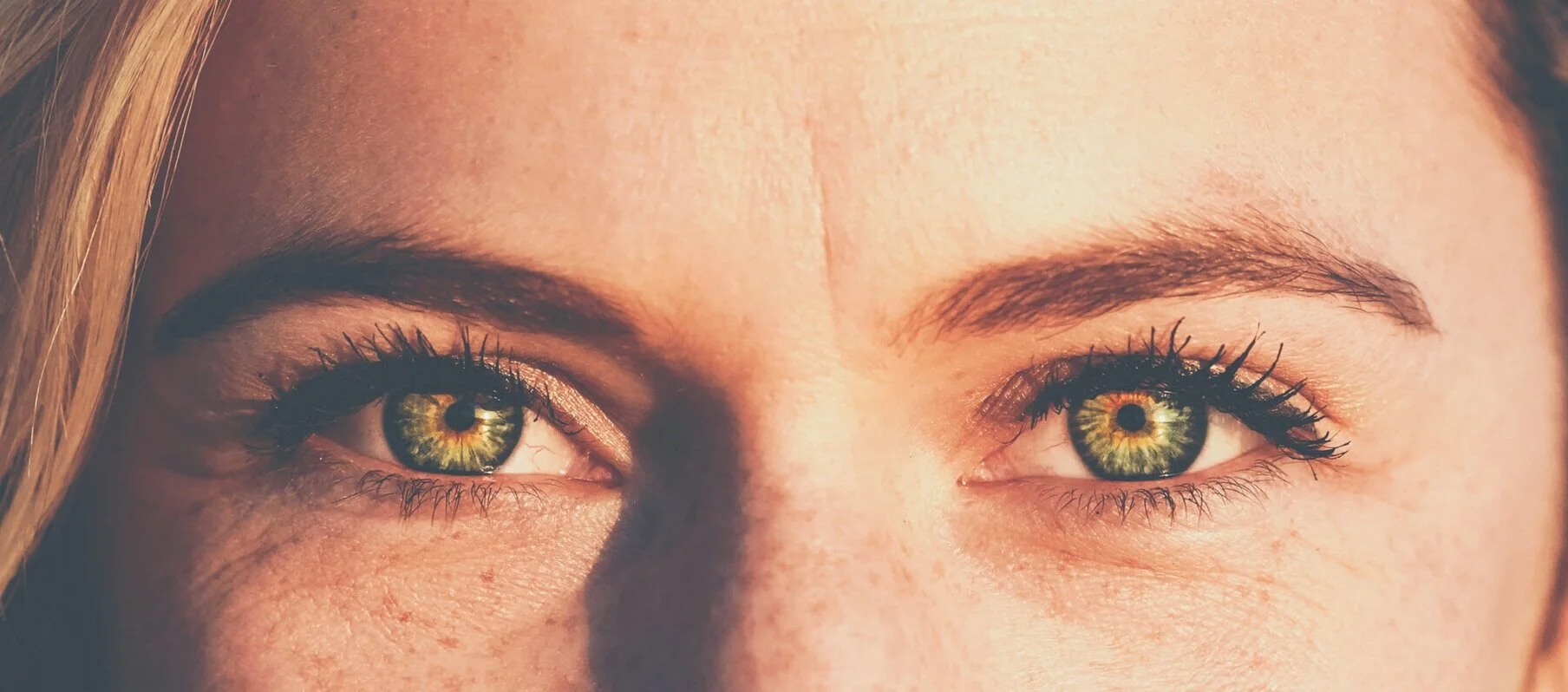
Eyelid Procedures
Your eyelids are critical structures that help protect your eyes. These small structures not only provide so much benefit to your eye health, but also a large role in how the world sees you. Even the smallest changes to the eyes can dramatically improve your overall appearance.
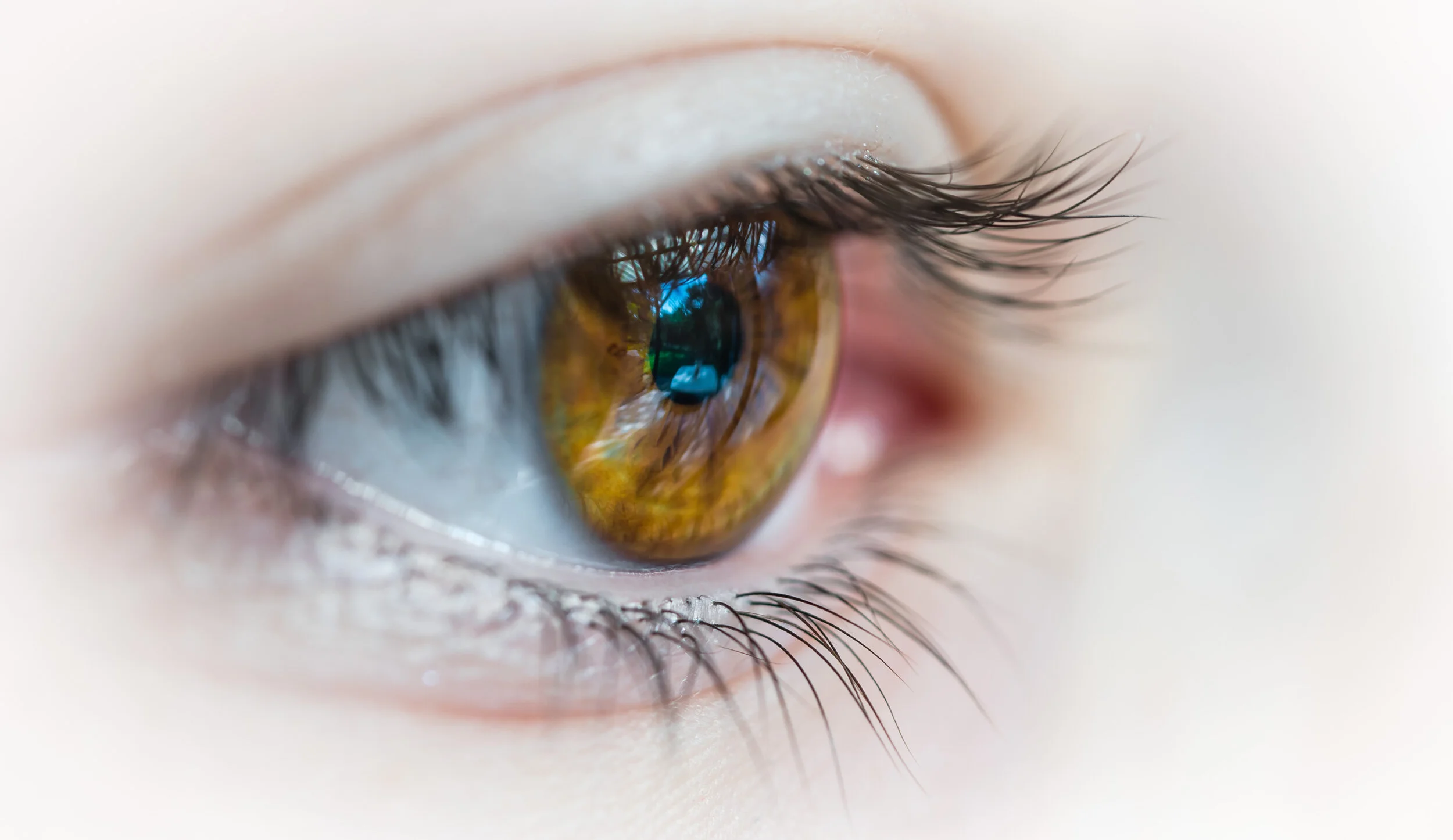
Upper Eyelid Blepharoplasty
The eyelids, because they have very thin skin, are one of the first places to exhibit aging on the face. If your eyes are showing the signs of aging and have developed excess skin folds or uneven bulges, blepharoplasty can give you a more refreshed and rested appearance. Upper Eyelid Blepharoplasty is a surgical procedure designed to correct minor aesthetic defects of the eyelids, improve facial symmetry and eyelid definition, and reverse unpleasant changes to the eyes as a result of the natural aging process. This procedure can also improve your peripheral vision and may be covered by medical insurance if it is deemed medically necessary.

Lower Eyelid Blepharoplasty
Lower Blepharoplasty (eye bag removal/repair) is the surgical sculpting and contouring of the lower eyelids. Lower Eyelid Blepharoplasty improves aesthetic problems of the lower eyelid such as excess skin and lower eyelid bags. This procedure can also help improve the appearance dark circles under your eyes. Incisions are placed on the inside of your lower eyelid to prevent any visible scars, or just under the lower eyelid lashes and follow into the natural creases of the eyelids.
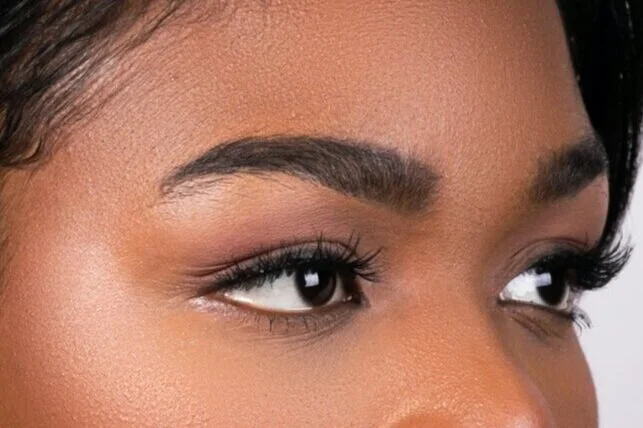
Ptosis Repair (Eyelid Lift)
Ptosis (“Toe-Sis” or Droopy Eyelids) is a condition where the upper eyelid droops due to a muscle weakness. Ptosis causes a tired, sleepy, sad appearance and reduces vision. Repair is done by tightening the upper eyelid lifting muscle and is intended to provide a more youthful, vibrant appearance as well as to improve your vision.
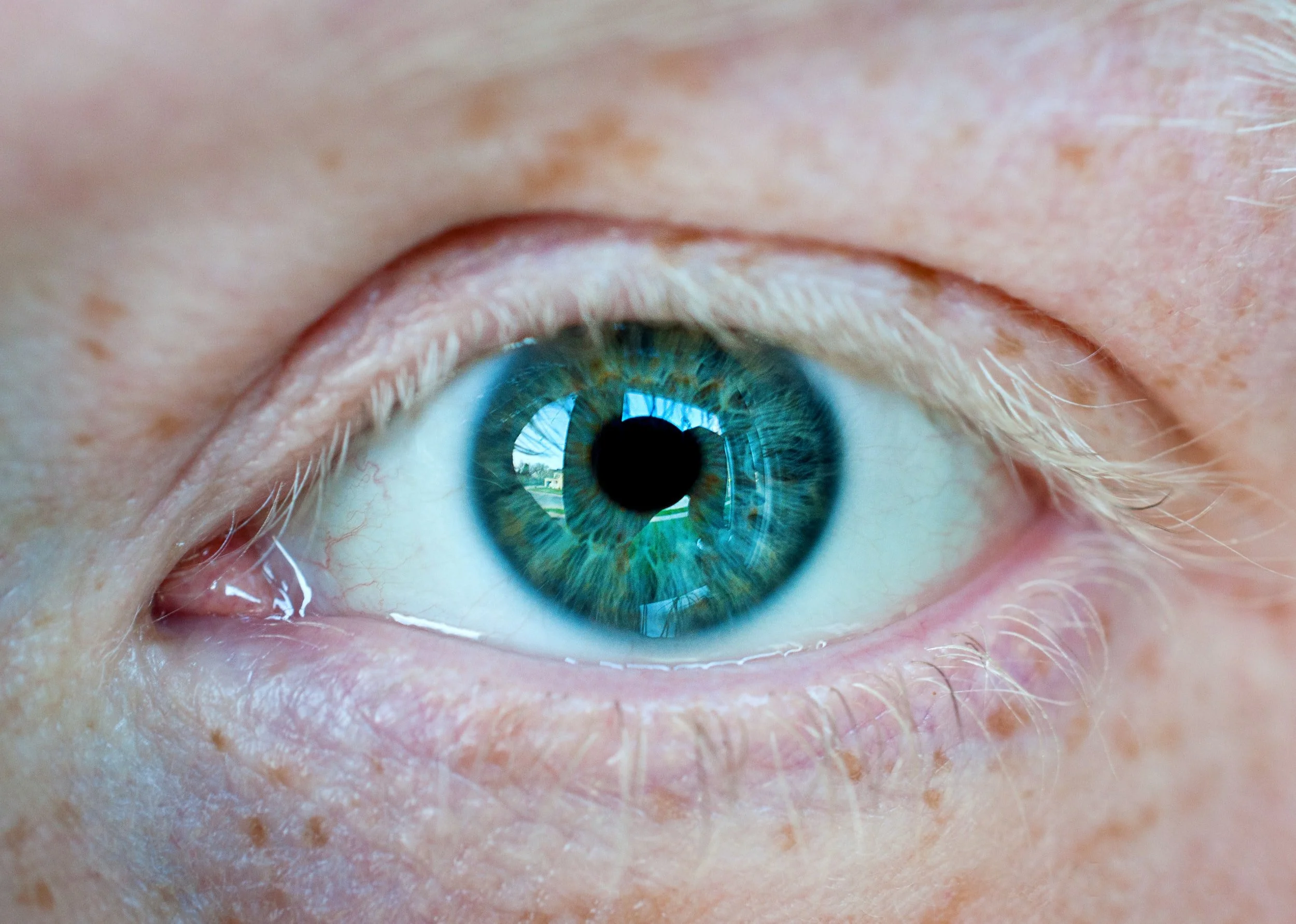
Blepharospasm
Blepharospasm (or Bengin Essential Blepharospasm, BEB) is a condition in which the eyelids spasm, closing involuntarily, forcing the patient to blink abnormally. Blepharospasm is a form of focal dystonia or abnormal contractions of the eye muscles. Patients with blepharospasm have normal vision, but the disturbance interferes with vision, visual perception and may, in rare severe cases, result in functional blindness because the eyelids simply cannot stay open. There is no cure for blepharospasm, but there are treatment possibilities, which include: Botulinum Toxin Injections (ex Botox, Dysport), Surgery (Blepharoplasty, Myectomy), Oral Medicines, Complementary Medicine (Acupuncture, biofeedback, nutritional), and Deep Brain Stimulation. Visit the Benign Essential Blepharospasm Research Foundation (https://blepharospasm.org/) for more support.
Chalazion
A chalazion is caused by an obstruction of one of the oil glands in your eyelids. The meibomian glands are glands along the margin of your eyelids that secrete the oil layer of your tears. These can get blocked, causing a backup of irritating lipids and oily material into the eyelid soft tissues. This results in a granulomatous, or inflammatory, reaction that results in the formation of a bump in your eyelid that is usually not very painful.
Hordeolum/Stye
A hordeolum, or a stye, is an acute, localized swelling of the eyelid caused by an infection or abscess. Similar to chalazia, hordeola/styes result from obstruction of different glands in your eyelids (glands of Moll or Zeis). This blockage may lead to a localized infection that can be painful.
Treatment
Chalazia and Hordeola/Styes are very similar. Essentially, a gland is blocked and oils get backed up, resulting in swelling, inflammation, and sometimes infection. Treatment for these typically begins with frequent warm compresses, artificial tears, and cleaning your eyelashes (with baby shampoo or over-the-counter eyelid wipes). If the bump persists and/or is painful, adding a topical steroid-antibiotic combination ointment can help. Other options for treatment include steroid injections or surgical drainage. In severe cases, oral antibiotics may also help. It is best to speak with your Oculofacial Plastics specialist to find the best treatment.
Eyelid and Skin Cancers
Skin cancer can occur anywhere on the skin and often involves the skin of the eyelids or surrounding tissues that are exposed to the sun.
Skin cancers may appear as painless little bumps, nodules, lumps, or areas that just don't seem to heal very well. Missing eyelashes may also be a sign of eyelid cancers. There may be ulcerations of the area, bleeding, crusting, and distortion of the normal skin. Suspicious areas should be evaluated and will often require a biopsy to confirm the diagnosis of skin cancer.
Treatment of eyelid skin cancer involves the complete removal of the tumor followed by reconstruction of the eyelid. Complete removal of eyelid cancer is important to minimize the chance the spread or recurrence of cancer. Dr. Mehta can remove the tumor and have the pathologist check the tissue margins by a technique called frozen sections, to ensure that the cancer is completely removed.
A board-certified dermatologist can also excise the tumor by Mohs surgery. Mohs micrographic surgery is a procedure used to remove skin cancer with precision and success. For these cases, Dr. Mehta will work with your MOHS surgeon and reconstruct the eyelid or face defect after he or she has removed the tumor. Despite its high level of efficiency, Mohs surgery often leaves behind large wounds or scars in prominent areas. These deformities can be emotionally upsetting as well as physically damaging to the eyelid, eye, or face. Fortunately, plastic surgery can be performed to repair the wound and restore your skin to a more healthy and natural appearance. Dr. Mehta performs reconstructive surgery to preserve the function of the eyelid, protect the eyeball, and to obtain the best cosmetic outcome.
Entropion
Entropion is an eyelid malposition where the eyelid turns inward. When this happens, the eyelashes may rub against the eyeball. This causes chronic irritation with a foreign body sensation, crusting, and discharge. If the eyelashes continue to rub against the eye, and especially the cornea, there is a high risk of infection or ulceration that could cause significant damage and lead to permanent vision loss.
Ectropion
Ectropion is an eyelid malposition that occurs when the eyelid turns outward and no longer touches the eye. As a result, the conjunctiva may become very dry and inflamed. This results in chronic redness, tearing, and irritation.
Ectropion is usually because of aging as the skin and become loose and the muscles around the eyes weaken. It may also result from skin cancers, scarring, facial nerve weakness or paralysis, or it can occur after any lower eyelid or facial surgery.