
HauteLiving Plastic Surgery Discussion
In case you missed our live discussion, you can watch the replay here!
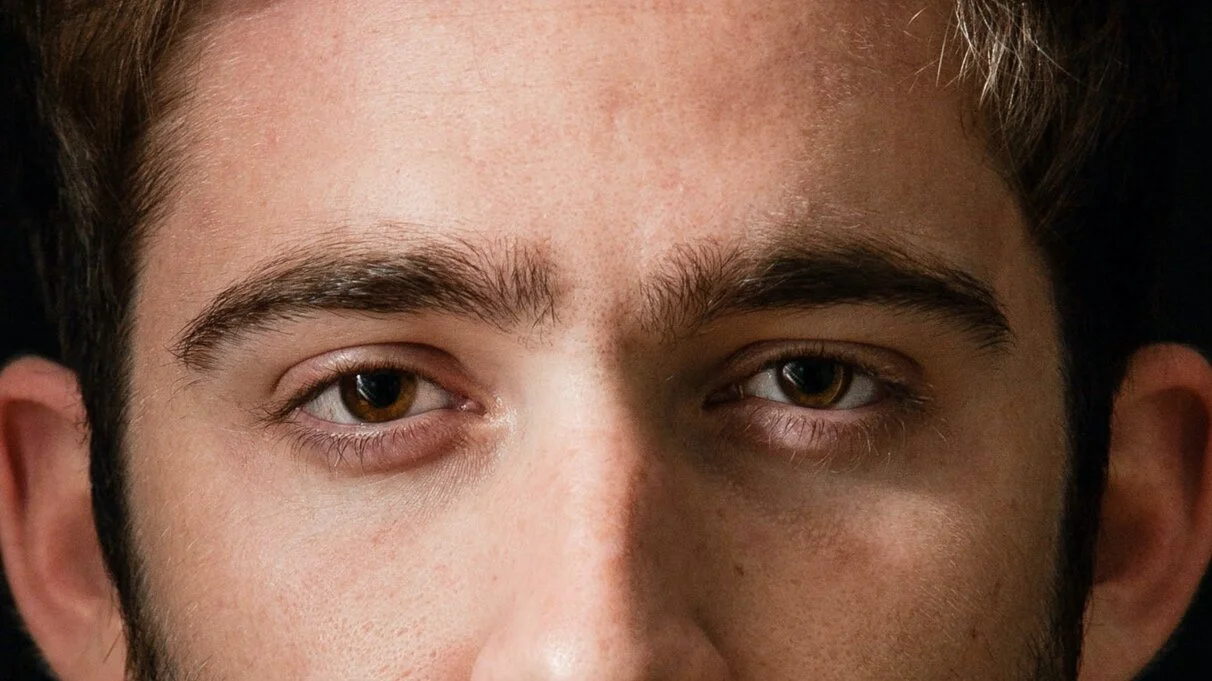
Learn more about Upper Blepharoplasty!
Your eyes are the most captivating features of your face. Over time, extra skin above the lids tends to sag and can become puffy giving you a tired, aged appearance. If the excess skin sags enough, it can also block vision. This is why Upper Eyelid Blepharoplasty is one of the most commonly requested surgeries.
See my most recent post on HauteLiving!
(Reproduced below)
HB: What is a Blepharoplasty?
Your eyes are the most captivating features of your face. Over time, extra skin above the lids tends to sag and can become puffy giving you a tired, aged appearance. If the excess skin sags enough, it can also block vision. This is why Upper Eyelid Blepharoplasty is one of the most commonly requested surgeries in the United States. Upper Eyelid Blepharoplasty is a procedure to remove the excess skin and weight off your lids. There are, however, many ways and techniques to remove the extra heaviness, and it’s best to consult with an Oculofacial Plastic Surgeon.
HB: How does an Upper Eyelid Blepharoplasty work?
Upper eyelid surgery requires precision and very fine incisions that follow the natural creases and contours of the eyelids. There is no “one-size fits all” technique, but rather an individualized and custom approach for each patient. The natural eyelid crease is identified and then the right amount of skin to remove is marked. This is critical to make sure there is enough skin left behind so patients can still blink normally and close their eyes. The extra skin is then excised. Sometimes, extra fat is either moved around or completely removed. It is important not to cut out too much fat, so the eye sockets don’t look too hollowed out. The skin is then closed very carefully with stitches. This procedure can be done at a surgery center with light sedation or in clinic with local anesthesia. Removing this excess skin and fat from the upper lids can result in a youthful, rested appearance!
HB: Who is the best candidate for this procedure?
Upper Eyelid Blepharoplasty is a great option for any adult looking to rejuvenate their eyelids. Common problems this procedure can fix include: extra skin in the upper eyelids that causes them to feel heavy, the disappearance of the upper eyelid crease, tired or sad appearance, obstructed vision from eyelid skin, bulging in the lids, and lack of an upper eyelid crease.
HB: What does recovery look like?
Recovery from surgery is usually quick and without any significant pain. I generally ask my patients to take it easy, with no bending, heavy lifting, or straining, for 1 week, after which there are no restrictions. Most patients feel pretty good and can go back to work if they want within a couple days; however, bruising and swelling can sometimes up to 1-2weeks. Use lots of ice and cool compresses in the first 2-3days, use over-the-counter pain medicine like Acetaminophen, and apply a small amount of antibiotic ointment for the first week. After that, keep the incision moisturized with Vaseline or Aquaphor so the scar heals well.
Top 5 Facial Rejuvenation Trends For 2020
The new year has arrived and like many others, you’ve committed to a new you! Just doing a little editing on your face- be it erasing fine lines, softening furrows, evening out patchy spots, tightening loose skin- can make you look and feel more refreshed and ready to tackle your goals. Fortunately, there are many treatments with minimal downtime!
The new year has arrived and like many others, you’ve committed to a new you! Just doing a little editing on your face- be it erasing fine lines, softening furrows, evening out patchy spots, tightening loose skin- can make you look and feel more refreshed and ready to tackle your goals. Fortunately, there are many treatments with minimal downtime!
Top 5 Trends
For Facial Rejuvenation
1. Injectables:
These include injections of botulinum toxins such as Botox, Xeomin, and the new trendy Jeuveau; as well as, hyaluronic acid fillers, like Juvederm and Restylane. Botulinum toxins work by blocking signals from nerves to muscles. The injected muscle can no longer contract. When used correctly by a well-trained physician, this can cause wrinkles to soften and relax. It is mostly used on forehead lines, fine wrinkles around the eyes, glabellar/frown lines, and necklines. Botulinum injections are relatively affordable, have very few risks, and have practically no downtime. Hyaluronic acid fillers are injected under the skin and can treat many cosmetic concerns. They are great for filling fine vertical lines around the mouth, add more volume to lips, restore fullness to hollowing cheeks and eyes, and better defining the jawline. Hyaluronic acid fillers are eventually absorbed by the body. These also offer quick recovery, with low risks.
“It is always important to choose a well-qualified, board-certified physician. All procedures have some risk, but you can mitigate the risk by choosing a physician who is well-trained and has knowledge in these treatments.”
2. Lasers and Light:
Lasers have numerous indications. Lasers can remove moderate and deep wrinkles, dramatically improve skin tone, texture, and tightness. Deep, ablative lasers remove outer layers of the skin, often require anesthetic injections or light sedation to keep a patient comfortable, and have a longer recovery. Non-ablative lasers leave the outer layers of the skin intact and target deeper layers. Often times, these treatments only require topical anesthetic creams/gels and have a quicker recovery. Photorejuvenation with light therapy is also becoming a more popular, non-invasive technique to improve tone and tighten skin. Phototherapy, like Intense Pulsed Light (IPL) or BroadBand Light (BBL), also targets cells with specific colors, or chromophores, within the skin, and offers a very quick recovery. Both lasers and light therapy are great for improving skin tone, getting rid of acne, removing broken blood vessels, clearing sun damage, and tightening skin.
3. Radiofrequency:
Radiofrequency works by targeting deep skin tissue with radiofrequency (RF) energy, which generates heat and results in new collagen and elastin production. RF treatments are great for tightening sagging skin anywhere on the body, and many of these treatments can be done quickly and without any downtime.
4. Microneedling:
Microneedling devices deliver a series of controlled wounds beneath the surface of the skin. This triggers the body’s own natural collagen and elastin production to help rejuvenate the skin. This minimally invasive procedure can be combined with radiofrequency or platelet-rich plasma (PRP) for a stronger effect. This technique is also great for treating acne scars, sun spots, fine lines and wrinkles, large pores, and uneven skin tone.
5. Surgery:
Sometimes, surgery is the best option! Newer surgical techniques can result in long-lasting results with minimal scar, and can certainly be combined with any of the above for complete facial rejuvenation. Blepharoplasty, for example, is a relatively straightforward, popular procedure to address heavy lids and rejuvenate the eyes. Other procedures can include brow lifts, lid lifts (ptosis repair), mid-facelifts, lower eyelid blepharoplasty, or even full facelifts. While surgery has a longer recovery, it can still be performed very safely with outstanding results by qualified surgeons.
Many of these treatments are minimally invasive, or non-invasive and effective in rejuvenating your face. Although low-risk, convenient, and effective, it is always important to choose a well-qualified, board-certified physician. All procedures have some risk, but you can mitigate the risk by choosing a physician who is well-trained and has knowledge in these treatments. A new year brings new opportunities to feel and look better!! Now is a great time to consider facial rejuvenation as there many new technologies and devices out on the market that are non-invasive and can produce noticeable changes. Talk to your physician to find the best options for you! Happy New Year, Happy New You!
Lower Eyelid Rejuvenation
Dr. Mehta Tells You Everything You Need To Know About Lower Eyelid Surgery
Here’s a recent interview about Lower Eyelid Rejuvenation and Blepharoplasty, reposted from HauteBeauty:
HB: What is a Lower Eyelid Blepharoplasty and how does it work?
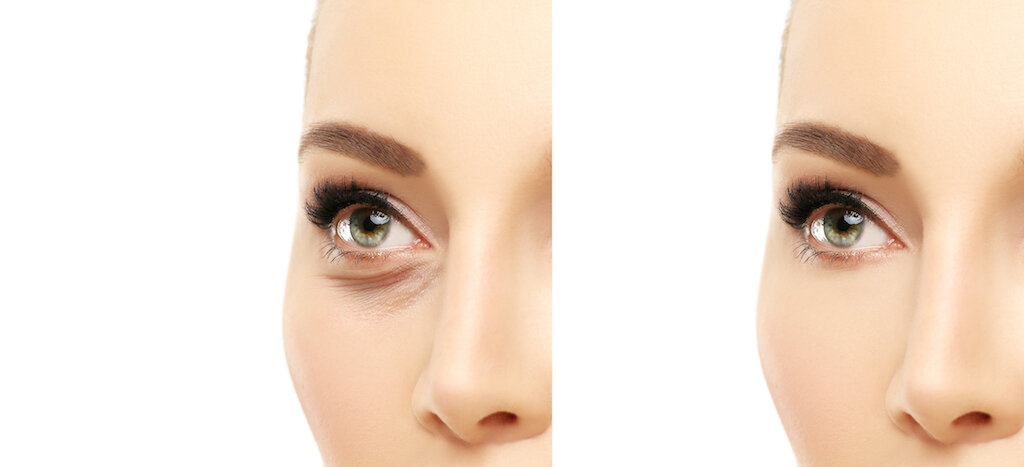
There are two ways to get to the fat in your lower eyelids. The best way, in order to avoid lower eyelid retraction, is to go through the inside of your lower eyelid. Once the fat is exposed, it is excised and/or reshaped to smooth out the lid-cheek transition. A small amount of skin under your lashes is sometimes removed, and the corner of your lids can be tightened. Lower eyelid blepharoplasty can also be combined with many other procedures, such as laser resurfacing, fat transfer, upper eyelid blepharoplasty, face lift, eyelid lift, or brow lift.
HB: Do you prefer it to other methods?
There are many ways to help improve the appearance of your lower eyelid bags. Over the counter creams, lotions, and serums can moisturize your skin to help improve the appearance of fine wrinkles, but the results are not lasting. Laser resurfacing can help improve the look of lower eyelid bags, but again this really targets the skin and does not change the underlying fat that often causes a lumpy, bumpy appearance. Other options to mask lower eyelid bags include fillers, which can help smooth the lid to cheek transition. Fillers are a temporary solution as they last only a year or so, and some patients can develop swelling in the lower lids that will require the filler to be dissolved.
Lower eyelid blepharoplasty involves cutting out or reshaping the fat in your lower eyelids. This procedure really is the foundation for smooth, natural, youthful lower eyelids and is longer lasting than any other technique. Combining lower eyelid blepharoplasty with any of the above techniques can help you look more refreshed and youthful.
HB: Who is a good candidate?
Lower eyelid blepharoplasty is a great option for many patients looking to reduce their lower eyelid bags. You first want to seek out an Oculofacial Plastics and Orbital expert, who completed an ASOPRS fellowship, to see if you are a good candidate; but generally speaking, patients, who are otherwise healthy and have lower eyelid bags due to fat and not just edema or swelling, are good candidates. Medical causes for swelling around your lids should also first be ruled out.
HB: What does recovery look like?
After lower eyelid blepharoplasty, patients can expect to have bruising and swelling that could last a couple weeks, but they generally feel better within a couple days. I also ask patients to take it easy for 1 week with no bending, heavy lifting, or straining; and, no swimming for at least 2 weeks.