

What's Your Favorite Sense??
This week in JAMA Ophthalmology, I came across an article that tried to value different senses. It was a small study, and there may be some bias as the authors themselves were part of an eye health department; however, it came to what I feel was the predictable conclusion: sight was the most valued sense.
This week in JAMA Ophthalmology, I came across an article that tried to value different senses. It was a small study, and there may be some bias as the authors themselves were part of an eye health department; however, it came to what I feel was the predictable conclusion: sight was the most valued sense.
The study surveyed 250 participants in the UK. The group comprised mostly of women (56.4%), and the average age was 50 years old, but included people 22 years and older. The vast majority of the study group did not have any family history of vision impairment. They included the following 8 senses in their questioning: sight, hearing, touch, smell, taste, balance, temperature, and pain. How would you rank these in order of most to least favorite? For me, the top choice is simple… My rankings would be as follows: Sight, Balance, Hearing, Taste, Touch, Smell, Pain, Temperature.
The study also looked at Time Tradeoff. Participants were essentially asked: How many years of perfect health would you give up in order to maintain your sight (or these other senses)? This could also be rephrased as: How many years of perfect health would you prefer compared to 10 years of life with complete vision loss (or other sense)? The results were quite astounding!
“ “The time tradeoff exercise indicated that, on average, participants preferred 4.6 years (95% CI, 4.2-5.0) of perfect health over 10 years without sight and 6.8 years (95% CI, 6.5-7.2) of perfect health over 10 years without hearing (mean difference between sight and hearing, 2.2 years; P < .001).””
On average, people chose 4.6 years of perfect health compared to 10 years of complete vision loss. The second most valued sense was hearing as people chose 6.8 years of perfect health compared to 10 years of complete hearing loss. Even more interesting, 15% of people chose death over living 10 years with complete vision loss (compared to just 6% choosing death over complete hearing loss). While it’s important to keep in mind that this is just one small study that may not reflect the general population, the findings here seem to be reinforced by a couple other studies out there.
“As physicians in this economically tightening environment, we have to demonstrate objectively our value to the population. It is no longer enough simply to have patients say they like us.”
So what does this all mean? To me, this reinforces the value that my field of Ophthalmology brings to people. We value our vision and the health of our eyes so much that we would give up a lot to preserve our sight. From a personal standpoint, I’m grateful to be in a field that helps make a significant difference. Nobody really understands what we do (either as Ophthalmologists or Oculoplastics experts) until they need us and by then, vision could already be damaged.
From business and healthcare policy standpoint, I see a significant disconnect. First of all, it seems a little ridiculous to me that eye health is not universally covered. Vision care, from eye glasses to cataracts to other complex surgeries, should be a basic covered service because it has such a profound impact on people’s lives. The US system right now has just a patchwork of insurance options to cover eye health with many gaps in care. Imperfect vision not only affects one’s quality of life, but there is also an economic impact with loss of productivity
Secondly, all physician specialties have generally seen a cut in their reimbursements, but as policymakers, we should ask ourselves, what does the public value, and how should limited resources be distributed? As physicians in this economically tightening environment, we have to demonstrate objectively our value to the population. It is no longer enough simply to have patients say they like us.
Although I’m biased, I think it’s clear what the public values. People are willing to give up nearly 5 years of their life over a 10-year period to have good vision. That’s pretty remarkable.
ASOPRS SPRING 2018 Meeting (Part II)
Not only did I give a talk on surgical complications, I presented some original research to a crowd of the brightest, most talented oculofacial and orbit surgeons in the world. It was such a blast having this presentation accepted to a great meeting in Austin, TX!
Not only did I give a talk on surgical complications, I presented some original research to a crowd of the brightest, most talented oculofacial and orbit surgeons in the world. It was such a blast having this presentation accepted to this great meeting in Austin, TX!
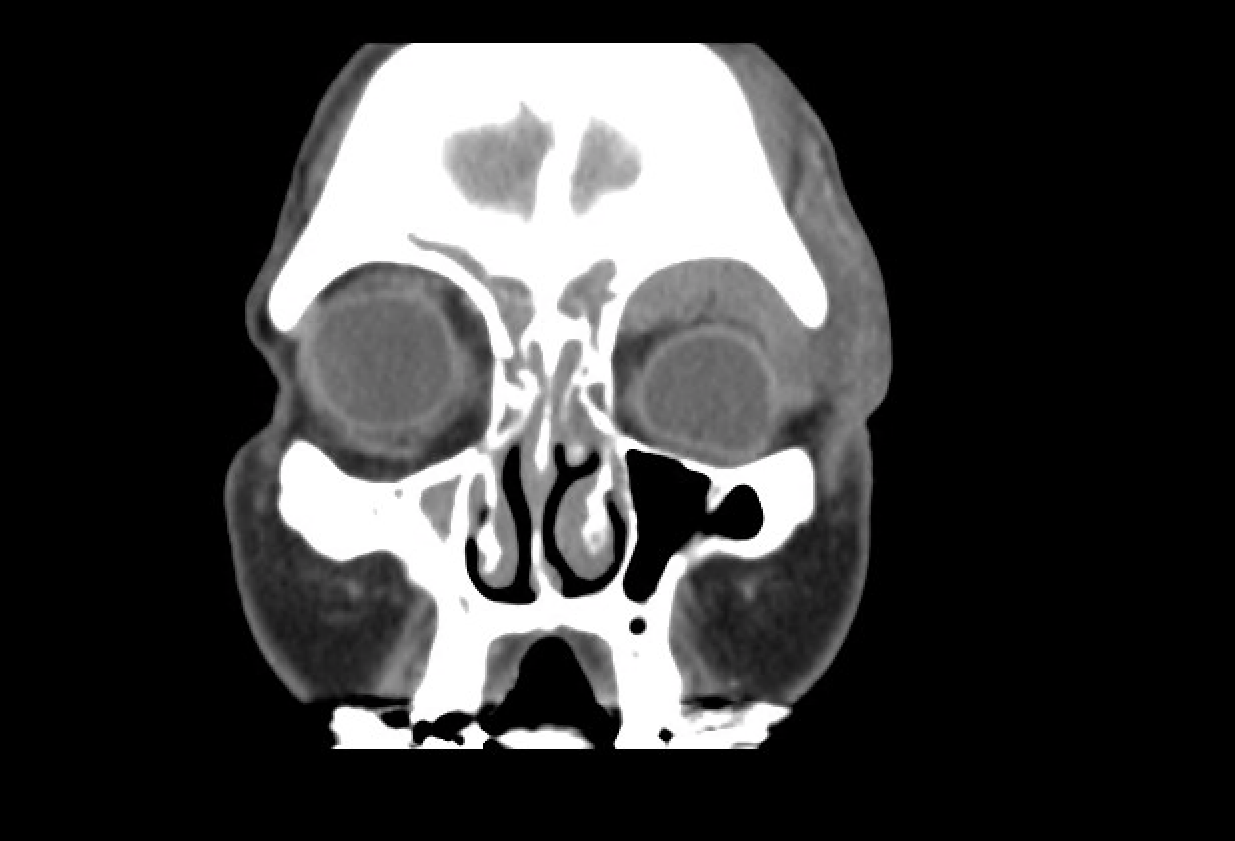
My research here looked at very severe cases of orbital cellulitis caused by a specific group of bacteria that generally live in body anyways. These bacteria, Group F Streptococcus, are notorious for causing very bad abscesses in the head, face, and neck. My research showed that there are some signs on CT scans that could suggest an infection by this terrible bacteria. If this is seen, physicians should consider moving fast and maybe even take the patient to surgery very quickly to prevent some very bad complications. Fortunately, we found that if physicians act fast and treat appropriately, the outcomes are good, vision is saved, and most patients get better.
Stay tuned for the final paper......
FDA tackles Homeopathy
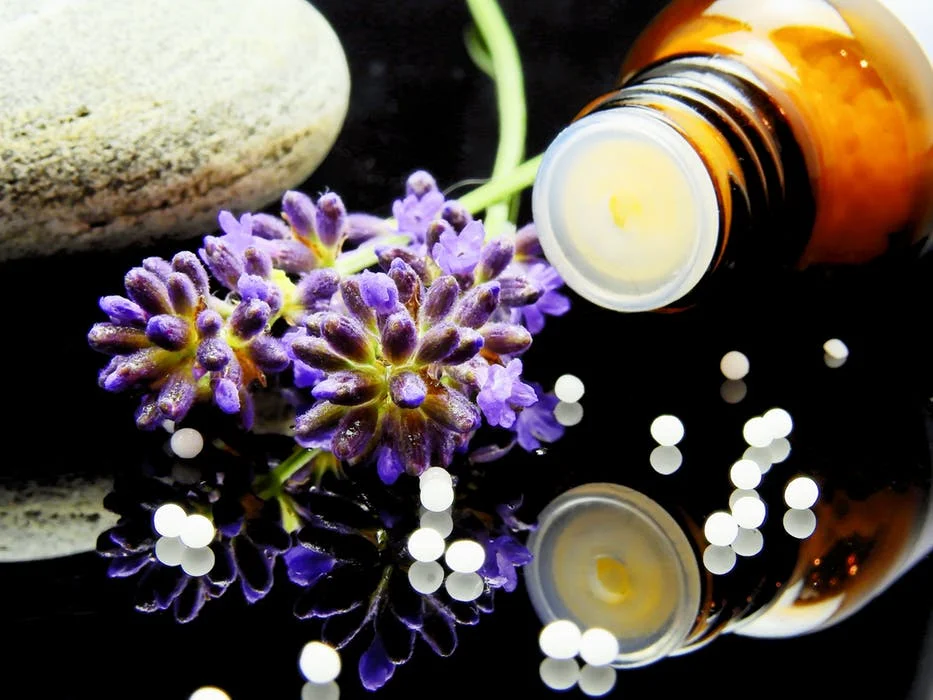
Homeopathy has been debunked as scientifically and clinically unsound and sometimes even unsafe for patients. It's great to see the FDA finally cracking down on homeopathic drugs that claim benefits where none exist.
It's about time: FDA takes more aggressive stance toward homeopathic drugs.
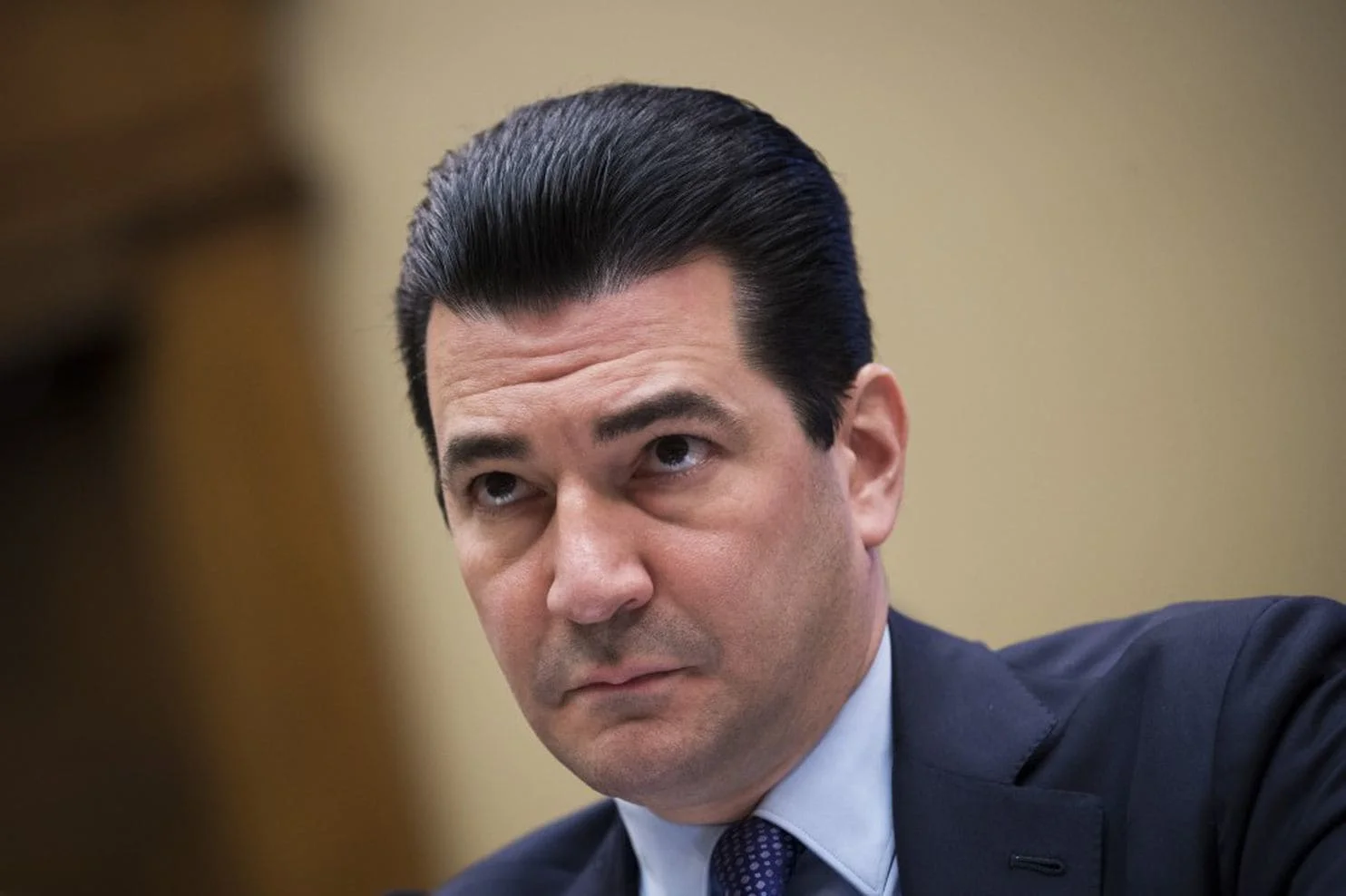
Scott Gottlieb, commissioner of the Food and Drug Administration, testifies in October at a House hearing on the opioid epidemic. On Monday, Gottlieb proposed a new, tougher approach to regulating homeopathic drugs. (Drew Angerer/Getty Images)
Homeopathy has been debunked as scientifically and clinically unsound and sometimes even unsafe for patients. It's great to see the FDA finally cracking down on homeopathic drugs that claim benefits where none exist. Hopefully this will crack down on unethical marketing and distribution of drugs that serve no purpose in modern medicine, but rather prey on patients and consumers.
If you're still skeptical, here is some hard data from the Australian National Health and Medical Research Council that compiled real, scientifically rigorous studies. The conclusion? "Based on all the evidence considered, there were no health conditions for which there was reliable evidence that homeopathy was effective. No good-quality, well-designed studies with enough participants for a meaningful result reported either that homeopathy caused greater health improvements than placebo, or caused health improvements equal to those of another treatment."
Moral of the story? Read the scientific literature or speak to a physician before embarking on a homeopathic treatment.

Why Medicine? (Part 2)
The allure for life sciences had first taken its roots early in my childhood when I took a summer course in molecular biology. This was the first lesson that truly ingrained in me the significance of scientific curiosity, logical inquiry, and academic integrity at a very early age.
The allure for life sciences had first taken its roots early in my childhood when I took a summer course in molecular biology. This was the first lesson that truly ingrained in me the significance of scientific curiosity, logical inquiry, and academic integrity at a very early age. Eventually, the quest to equip myself with research training and to satisfy my own scientific curiosity led me to work with in the field of biomedical sciences, where my research focused on better understanding heart disease by studying the mechanisms that control the contractions and development of smooth muscle and cardiac cells. Working in an academic research environment has been extremely challenging, yet equally gratifying. In particular, the arduous workmanship and critical thinking required to carry out this research has undoubtedly prepared me for the challenges in pursuing medicine. Furthermore, the commitment and the passion of my colleagues at unlocking the mysteries of vascular development for the betterment of life have been inspiring and have influenced me to pursue a career that incorporates cutting-edge research. The discoveries and innovations stemming from research institutions are the very foundation of the therapies that alleviate pain and suffering.
“Nothing great in the world has ever been accomplished without passion,” said German philosopher Goerg Hegel. I believe that if one’s life is devoid of even a single passionate cause, then it amounts to a life lived pointless. History has shown us that passion for a cause has always been at the foundation of a major renaissance in society. Martin Luther King, Jr. fervently fought for civil rights, while the Mahatma Gandhi passionately labored and won independence for masses in India. Similarly, passion for the freedom of his people kept Nelson Mandela to battle apartheid fearlessly for decades in South Africa. History has also taught us that passion breeds other ideal traits in a person. It inspires one to look at serious problems in unique inventive ways and find a solution to vigorously pursue. For example, non-violence was the pioneering course that all three leaders above had pursued to vanquish social injustice. For me, battling the social injustice in healthcare delivered to our communities is of paramount importance and a guiding light for my medical career.