

ASOPRS SPRING 2018 Meeting
Recently, I had the opportunity to present at our ASOPRS Spring 2018 Meeting. This was such a fantastic experience and an honor to present in front of all my mentors that have helped me throughout my oculoplastics career. Check it out!
Recently, I had the opportunity to present at our ASOPRS Spring 2018 Meeting. This was such a fantastic experience and an honor to present in front of all my oculofacial plastic surgeon mentors that have helped me throughout my career.
There were a couple important lessons I learned from these cases. First, there's no such thing as a simple surgery. Both cases were seemingly straightforward procedures that we do hundreds of times, but there were complications that could have led to even more problems. Every individual case should be taken seriously, no matter how "simple" it may seem.
Second, it's important to have procedures done by actual physicians because complications can happen and lead to a potentially life-threatening situation. When someone offers to use a scalpel on your face, you should be confident they were trained properly, know what their doing, and can manage complications. Fortunately for these patients, we were able to quickly manage the complications so that there were no long term effects.
Check it out!
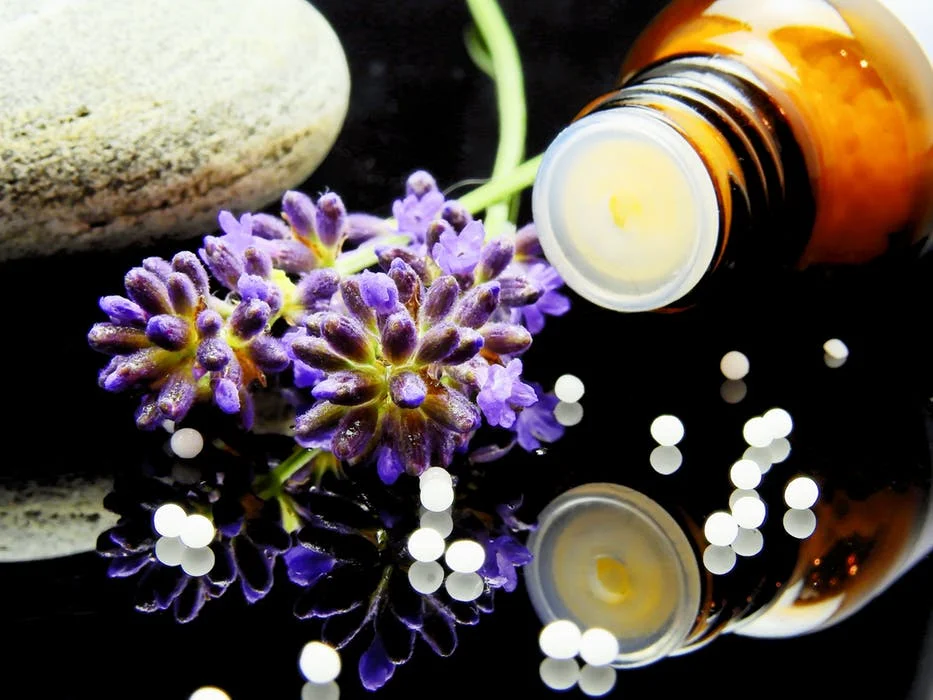
FDA tackles Homeopathy
Homeopathy has been debunked as scientifically and clinically unsound and sometimes even unsafe for patients. It's great to see the FDA finally cracking down on homeopathic drugs that claim benefits where none exist.
It's about time: FDA takes more aggressive stance toward homeopathic drugs.
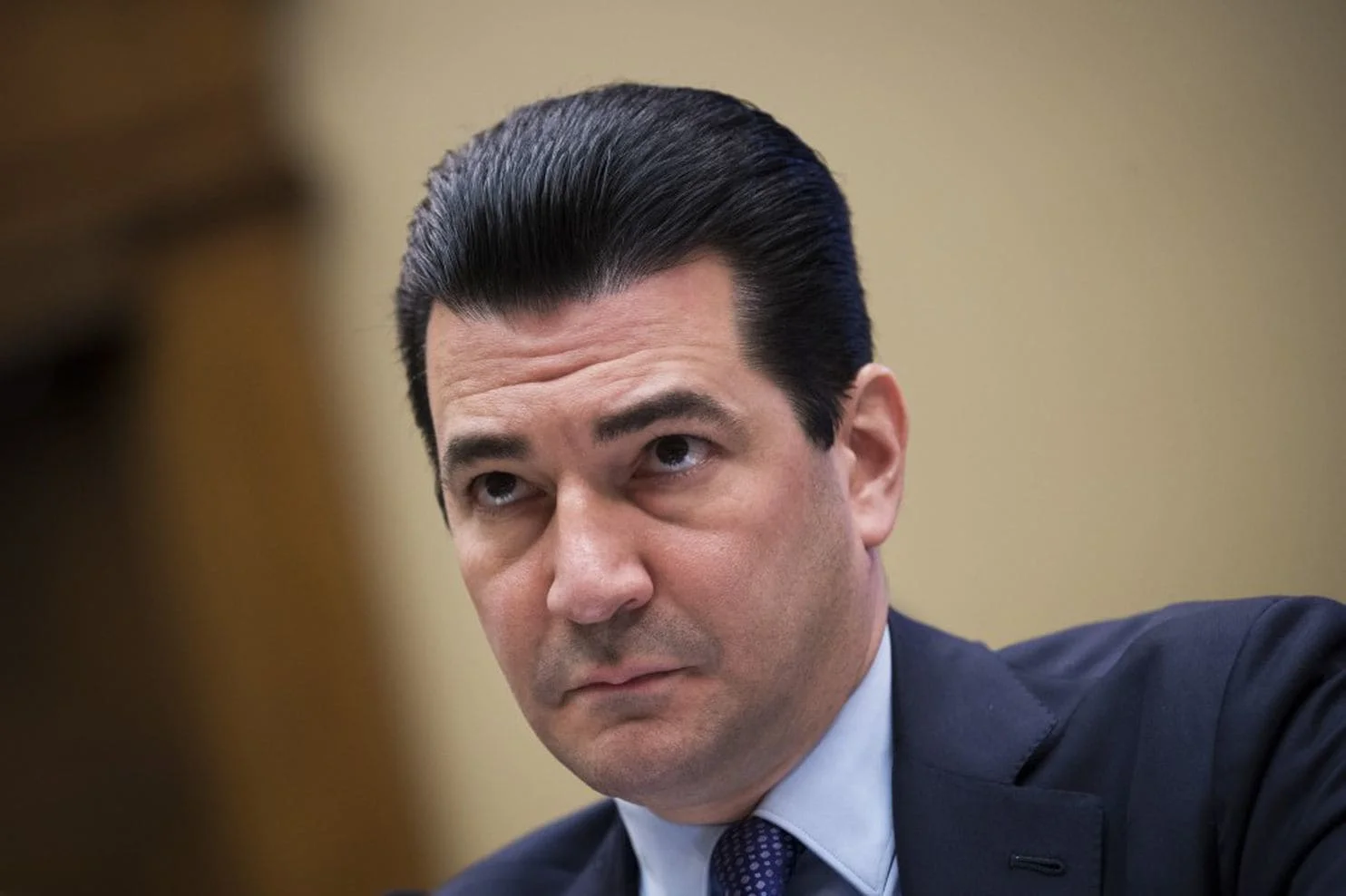
Scott Gottlieb, commissioner of the Food and Drug Administration, testifies in October at a House hearing on the opioid epidemic. On Monday, Gottlieb proposed a new, tougher approach to regulating homeopathic drugs. (Drew Angerer/Getty Images)
Homeopathy has been debunked as scientifically and clinically unsound and sometimes even unsafe for patients. It's great to see the FDA finally cracking down on homeopathic drugs that claim benefits where none exist. Hopefully this will crack down on unethical marketing and distribution of drugs that serve no purpose in modern medicine, but rather prey on patients and consumers.
If you're still skeptical, here is some hard data from the Australian National Health and Medical Research Council that compiled real, scientifically rigorous studies. The conclusion? "Based on all the evidence considered, there were no health conditions for which there was reliable evidence that homeopathy was effective. No good-quality, well-designed studies with enough participants for a meaningful result reported either that homeopathy caused greater health improvements than placebo, or caused health improvements equal to those of another treatment."
Moral of the story? Read the scientific literature or speak to a physician before embarking on a homeopathic treatment.
Why Medicine? (Part 2)
The allure for life sciences had first taken its roots early in my childhood when I took a summer course in molecular biology. This was the first lesson that truly ingrained in me the significance of scientific curiosity, logical inquiry, and academic integrity at a very early age.
The allure for life sciences had first taken its roots early in my childhood when I took a summer course in molecular biology. This was the first lesson that truly ingrained in me the significance of scientific curiosity, logical inquiry, and academic integrity at a very early age. Eventually, the quest to equip myself with research training and to satisfy my own scientific curiosity led me to work with in the field of biomedical sciences, where my research focused on better understanding heart disease by studying the mechanisms that control the contractions and development of smooth muscle and cardiac cells. Working in an academic research environment has been extremely challenging, yet equally gratifying. In particular, the arduous workmanship and critical thinking required to carry out this research has undoubtedly prepared me for the challenges in pursuing medicine. Furthermore, the commitment and the passion of my colleagues at unlocking the mysteries of vascular development for the betterment of life have been inspiring and have influenced me to pursue a career that incorporates cutting-edge research. The discoveries and innovations stemming from research institutions are the very foundation of the therapies that alleviate pain and suffering.
“Nothing great in the world has ever been accomplished without passion,” said German philosopher Goerg Hegel. I believe that if one’s life is devoid of even a single passionate cause, then it amounts to a life lived pointless. History has shown us that passion for a cause has always been at the foundation of a major renaissance in society. Martin Luther King, Jr. fervently fought for civil rights, while the Mahatma Gandhi passionately labored and won independence for masses in India. Similarly, passion for the freedom of his people kept Nelson Mandela to battle apartheid fearlessly for decades in South Africa. History has also taught us that passion breeds other ideal traits in a person. It inspires one to look at serious problems in unique inventive ways and find a solution to vigorously pursue. For example, non-violence was the pioneering course that all three leaders above had pursued to vanquish social injustice. For me, battling the social injustice in healthcare delivered to our communities is of paramount importance and a guiding light for my medical career.
Why Medicine? (Part 1)
Why did I choose medicine? This question constantly rings in my ears as the profession enters the potential of financial ruin, brought largely by politicians, administrators, and sheer bureaucratic ineptitude. So why did I choose medicine and why do I stick with it?
Why did I choose medicine? This question constantly rings in my ears as the profession enters the potential of financial ruin, brought largely by politicians, administrators, and sheer bureaucratic ineptitude. So why did I choose medicine and why do I stick with it? I constantly have to think back to my own experiences that kindled my first love of the profession. No matter the challenges physicians will face, I will always remember how I got hooked.
Etched in my memory forever are the visions of a ten year old boy bullying, yelling, and even physically abusing some younger kids on the grounds of the dilapidated HIV/AIDS shelter in Salvador, Brazil. What frightened us volunteers the most was that he would not only spit and urinate in the food bowls of younger children, but he would also pick at their scabs and open up bloody wounds. He may not have known the consequences of his actions, but I think that he may have intrinsically understood the finality of his condition and took out his rage on the other children out of despair, fear, or both.
For me, this child also symbolized the failures of our society. Even with all of our intellectual and financial resources, we seem to have failed some of our most vulnerable and dispossessed. Before volunteering in Salvador that summer, I had spent three weeks in the citadel of the privileged, Cambridge University, indulging myself in intellectual debates that ranged from contemporary world politics to the anatomy and functions of the brain. Only after spending time in Cambridge and Salvador could I truly grasp the enormity of the divide between these two worlds: the world of the fortunate few and that of the destitute. The chasm between these two worlds is so profound that only a person with the vision of a world leader, compassion of a physician, and the curiosity of a scientist could even begin to bridge the gap. I want to be that person, someone who embodies these traits and has the moral courage to challenge the status quo. I want to become an agent of change for the most underrepresented segments of our society.

Internally Stimulated
The author Anna Quindlen once said that “If your success is not your own terms, if it looks good to the world but does not feel good inside, it is not success at all.” Unfortunately, there is not a single all-inclusive definition of success for every one, or for any given vocation, because success is a very personal and relative concept. The definition of success even varies within the same profession, and is different for a person at various stages of his own life.
The author Anna Quindlen once said that “If your success is not your own terms, if it looks good to the world but does not feel good inside, it is not success at all.” Unfortunately, there is not a single all-inclusive definition of success for every one, or for any given vocation, because success is a very personal and relative concept. The definition of success even varies within the same profession, and is different for a person at various stages of his own life. In that respect, this measure for success as offered by Anna Quindlen is most intriguing.
Throughout my academic career, grades, research, and quality of extra-curricular activities certainly created the foundation for success. I also took pride in being associated with some of the most influential and interesting faculty on campus because of my association with academic journals. These things gave me a sense of happiness that I thought came only through society’s definition of success.
However, as I embarked in this life long journey of healing, public service, and altruistic endeavors, I find myself redefining myself in the image of Anna Quindlen as a successful person. I still believe that achieving and maintaining academic excellence and superior medical knowledge as a physician is imperative. However, now the underlying motivation is different. Now scholastic excellence is measured through my own satisfactions stemming from mastering the subject material for the sake of patients’ good, and through my inner convictions about becoming a great physician. I also think that a passion aimed at innovative scientific inquiry will be a measure by which I would judge the quality of my tenure as a physician. Whether a change in hospital efficiency or a small research success that contributes somehow to the larger cause of easing suffering, it will be sufficiently gratifying for me.
Some other measures- personal integrity, ethical behavior, and empathy for the least fortunate- also seem to percolate to the forefront. As a physician I will continue to assess success through my ability to cultivate a sense of love for humanity, which I am sure will be followed by a flourishing love for the art of healing.